
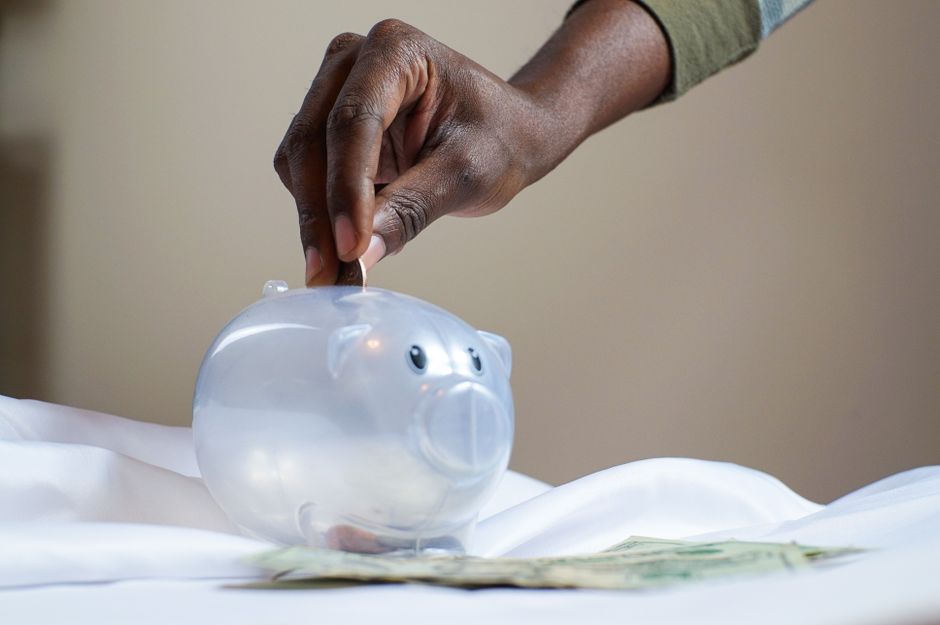
It usually starts with a small ambush. The car makes a noise it has never made before, and the mechanic says the word "transmission." Or a molar cracks on a popcorn kernel and the dentist quotes a number that makes you sit down. Or the company reorganizes, and suddenly your next paycheck has a question mark next to it. None of these events is rare. What makes them stressful is not the surprise itself but the scramble that follows: the credit card, the payday loan, the awkward text to a relative.
An emergency fund is the boring, unglamorous fix for that scramble. It is simply a pool of cash you set aside and agree not to touch unless something genuinely urgent happens. It will never be the most exciting part of your financial life. But for most people, it is the single change that turns money from a source of low-grade dread into something that feels manageable.
An emergency fund doesn't make emergencies stop happening. It just changes them from crises into inconveniences.
Let's walk through what it actually is, how much you really need, where to keep it, and how to build one when your budget already feels stretched thin.
What Counts as an Emergency (and What Doesn't)
The whole system falls apart if "emergency" quietly expands to mean "anything I want right now." So it helps to define the term before you need it, when you're calm rather than staring at a checkout screen.
A real emergency has two features: it is urgent and it is unexpected. A burst pipe is both. A medical bill you didn't plan for is both. Losing your income is the biggest one of all. These are the things the fund exists to cover, because the alternative is borrowing at a bad interest rate or letting the problem get worse and more expensive.
What doesn't qualify is the interesting part. Holiday gifts are not an emergency; they arrive on the same date every single year. Neither is your annual car insurance premium, a wedding you've known about for eight months, or a flight sale that is "too good to miss." These are expected irregular expenses, and the honest move is to save for them separately in what some people call a sinking fund. Keeping those two jobs apart matters, because every time you raid the emergency fund for a predictable cost, you teach yourself that the rule is negotiable. Once the rule is negotiable, the fund stops being there when the transmission actually goes.
How Much You Actually Need
The classic advice is "three to six months of expenses," and it's a fine starting point, but the number that gets quoted skips over a crucial detail. You want three to six months of essential spending, not three to six months of your entire lifestyle. In an emergency, streaming subscriptions and restaurant meals are the first things to pause. What you truly must cover is rent or mortgage, utilities, groceries, insurance, minimum debt payments, and transportation to work.
So the first step is to add those essentials up. Suppose your must-pay monthly costs look like this:
| Essential expense | Monthly cost |
|---|---|
| Rent | 1,200 |
| Utilities & phone | 250 |
| Groceries | 400 |
| Transport | 150 |
| Insurance & minimum debt | 300 |
| Total essentials | 2,300 |
For this person, a three-month cushion is about 6,900 and a six-month cushion is about 13,800. That gap looks intimidating, which is exactly why the range exists: where you land inside it depends on how fragile your income is.
If you have one steady salary, a niche job, or you're the only earner in your household, aim for the higher end — a job search can easily take several months. If you have two incomes, a role that's easy to replace, or reliable family backup, the lower end is reasonable. Freelancers and commission workers, whose income swings month to month, often want even more than six months, because their "normal" already includes lean stretches. There is no universally correct figure; there's only the figure that lets you sleep.
Where to Keep It
An emergency fund has one job, and that job dictates where it should live. You need the money to be safe and available fast, and you're willing to give up high returns to get those two things. This is the part people get wrong in opposite directions.
The first mistake is keeping it in your regular checking account. There, it blends in with spending money and quietly evaporates — you're not stealing from your emergency fund, you just genuinely can't tell which dollars are which. The second mistake is the overcorrection: locking the money into investments to make it "work harder." The stock market is a wonderful place for money you won't need for years and a terrible place for money you might need next Tuesday, because emergencies have a cruel habit of arriving exactly when the market is down. Selling investments at a loss to cover a car repair is the situation the fund was supposed to prevent.
The sweet spot for most people is a separate, dedicated account that is easy to reach but not too easy — a high-yield savings account at a reputable, insured bank is the standard answer. As of this writing, these accounts pay meaningfully more interest than a traditional savings account while keeping your money liquid and protected up to the usual deposit-insurance limits. The specific rate matters less than the structure: the cash is close enough to grab within a day or two, far enough that you won't spend it on a whim, and it earns a little something while it waits. Keep it in its own account with a name you'll respect, and resist linking a debit card to it.
Building It When Money Is Already Tight
Here's the honest problem: the people who most need an emergency fund are usually the ones with the least room to build one. Telling someone living paycheck to paycheck to "just save six months of expenses" is like telling a tired hiker to "just be at the summit." The summit is the goal, not the instruction. The instruction is the next step.
Start absurdly small, because the first goal isn't a full fund — it's proof that you can do this at all. A starter fund of around one month of essentials, or even a flat 1,000, covers the majority of ordinary surprises: most car repairs, most appliance failures, most unexpected bills. Reaching that first milestone changes your relationship with money more than the dollar amount suggests, because you stop being one bad week away from borrowing.
Then make the saving automatic and invisible. Set up a transfer that moves a small, fixed amount into the account the day after payday, before the money has a chance to feel spendable. Automating it beats willpower every time, because willpower is a limited resource and a recurring transfer isn't. Even a modest weekly amount compounds into something real over a year: 25 a week is 1,300 in twelve months, quietly, without any single painful sacrifice.
Finally, feed it with the money that was never in your routine anyway. A tax refund, a work bonus, a birthday gift, the proceeds from selling something in the closet — routing those windfalls straight into the fund lets you make big jumps without touching your normal budget. And when a subscription lapses or a debt gets paid off, redirect that freed-up amount instead of absorbing it into spending. Progress rarely comes from one heroic month; it comes from a dozen unremarkable ones.
What Happens After You Use It
A detail that surprises people: successfully using your emergency fund can feel like failure. You spent months building the balance, and then a vet bill knocks it down by half in a single afternoon. It's tempting to feel like you're back at zero.
You are not. The fund did precisely what it was built to do — it turned a genuine emergency into a paid bill and a quiet evening instead of a debt and a spiral. Using it is the system working, not breaking. The only real task afterward is to treat rebuilding it as your top financial priority again, pausing extra investing or optional spending until the cushion is restored. Think of it less like a savings target you hit once and more like a shock absorber you occasionally have to re-inflate.
The Takeaway
An emergency fund won't make you wealthy, and it will never be the thing you brag about. What it buys is something quieter and, for most people, more valuable: the ability to meet a bad day with a shrug instead of a panic. Define what counts as an emergency before you're tempted, size the fund to your own income risk rather than a generic rule, keep it somewhere safe and reachable, and build it in small automatic steps that don't depend on a burst of motivation.
Start with the next small step, not the summit. Move a little money this week into an account you promise to leave alone, and let it sit there being boring. One day something will break, and you'll be grateful it was there — calm, unglamorous, and exactly enough.
This article is general information, not personalized financial advice. Your own situation may call for a different approach, and it's worth talking to a qualified professional about big decisions.

Comments 0