
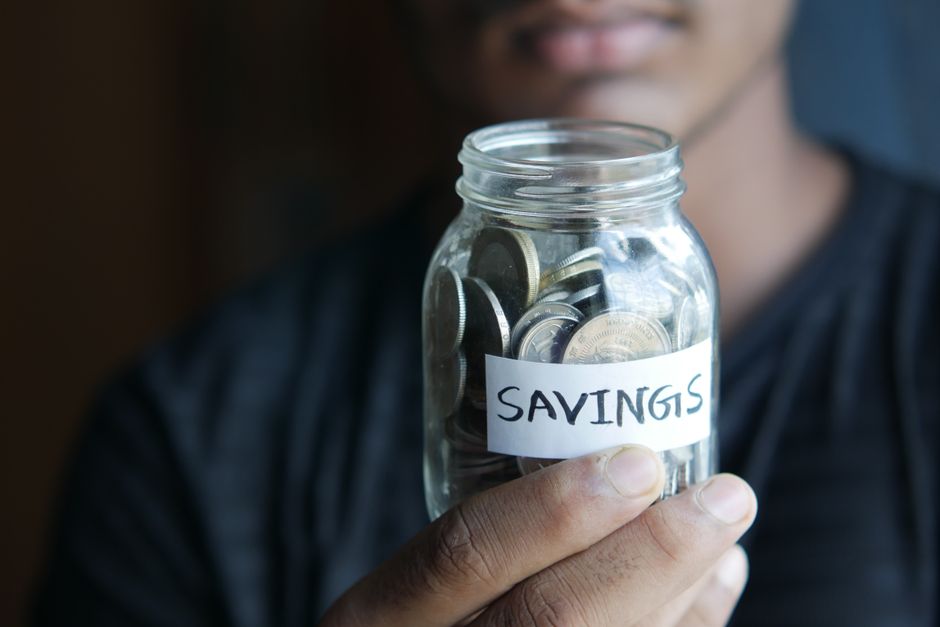
Picture this: your car makes a noise you've never heard before, the mechanic quotes you $1,400, and your stomach drops — not because of the repair, but because you have no idea where that money will come from. For millions of people, that single moment is the difference between a stressful week and a spiral of credit card debt that takes years to escape.
An emergency fund is the simplest, most powerful financial tool most people never build. It isn't glamorous. It won't earn you bragging rights at dinner. But it quietly does something no investment can: it buys you time, options, and a good night's sleep.
What an emergency fund actually is
An emergency fund is a pool of cash set aside for the unexpected — a job loss, a medical bill, a broken appliance, an urgent flight home. The key word is unexpected. A holiday or a new phone is a planned expense; those belong in a different savings bucket. The emergency fund exists for the things you can't see coming.
Think of it less as savings and more as insurance you pay yourself.
Why cash specifically? Because emergencies don't wait for the stock market to recover. If your income disappears during a downturn, selling investments at a loss to cover rent is the worst possible outcome. Cash sitting quietly in a savings account isn't "lazy money" — it's money doing exactly one job, and doing it perfectly: being available the moment you need it.
How much you actually need
The classic rule of thumb is three to six months of essential expenses. Notice the word essential — that means rent, groceries, utilities, insurance, and minimum debt payments, not your full lifestyle including streaming subscriptions and weekend dinners out.
Here's a simple way to estimate your target:
| Situation | Suggested cushion |
|---|---|
| Stable salaried job, dual income | 3 months |
| Single income or one dependent | 4–5 months |
| Freelance, commission, or irregular income | 6+ months |
So if your bare-minimum monthly spending is $2,500 and you're a freelancer, your target sits around $15,000. That number can feel intimidating — which is exactly why most people never start. The trick is to stop staring at the finish line.
Start absurdly small
The biggest mistake is treating the full target as the goal you must hit before you've "succeeded." You won't save $15,000 next month, and feeling behind makes people quit. Instead, set a first milestone of $1,000. Research from financial coaches consistently shows that this first small buffer absorbs the majority of life's everyday emergencies — the flat tire, the dental copay, the surprise vet bill.
Automate it. Set up a transfer of even $50 or $100 to a separate account the day after payday, before you can spend it. This is the single most effective habit in personal finance, because it removes willpower from the equation. You're not deciding to save each month; you decided once, and the system does the rest.
A concrete example: saving $100 every two weeks, automatically, gets you to that $1,000 starter fund in about five months without a single act of discipline after setup. Bump it to $200 and you're there in two and a half.
Where to keep it
Your emergency fund needs two qualities: safety and accessibility. It should never be in stocks, crypto, or anything that can drop 30% the week you need it. But it also shouldn't sit in your everyday checking account, where it quietly funds impulse purchases.
The sweet spot for most people is a high-yield savings account at an online bank, separate from your daily bank. As of writing, these accounts often pay meaningfully more interest than traditional brick-and-mortar savings accounts, while keeping your money insured and withdrawable within a day or two. That small friction — not being instantly spendable from your debit card — is a feature, not a bug.
Avoid the temptation to "optimize" this money too hard. The point isn't maximum returns; it's certainty. A few extra dollars of interest mean nothing compared to the value of cash that's simply there when your world wobbles.
When you use it — and how to rebuild
Using your emergency fund is not a failure. That's a mental trap worth dismantling now. The fund did its job. If you drain half of it covering a real emergency, you didn't lose — you avoided debt, interest, and panic. Replenishing it simply becomes your next short-term goal.
After a withdrawal, restart the same automated transfer until you're back to your target. Treat it like any other bill: non-negotiable, paid first, quietly building. Over time, the act of refilling becomes almost reassuring — proof that the system works.
Three traps that quietly sabotage savers
Even people who understand all of this still stumble, usually in predictable ways. The first trap is keeping it too accessible. If your emergency cash lives in the same account as your spending money, it stops being an emergency fund and becomes a slush fund. A Tuesday-night online sale starts to feel like an "emergency." Physical and psychological separation is what protects the money from you.
The second trap is investing it for growth. It's tempting to look at cash earning modest interest and think you could do better in the market. You probably could — right up until the month you lose your job during a market dip and have to sell at the bottom. The emergency fund and your investments are two different tools with two different jobs; don't let one quietly eat the other.
The third trap is all-or-nothing thinking. People decide that since they can't save the full six months, there's no point starting. But the difference between $0 and $1,000 is enormous in real life — it's the gap between reaching for a credit card and reaching for your own savings. Every dollar you set aside expands your range of calm responses to a stressful event.
The real return on a cash cushion
Personal finance often gets framed as a game of maximizing returns, and an emergency fund looks unimpressive on that scoreboard. But its true payoff isn't measured in percentage points. It's measured in the decisions it lets you make: the toxic job you can finally leave, the bad loan you don't have to take, the calm you feel when something breaks.
If you take one action this week, make it this: open a separate savings account and schedule one small automatic transfer. Start with whatever feels almost laughably easy. The number matters less than the momentum. Future you — the one staring down that surprise repair bill — will be profoundly grateful you began.
This article is for general informational purposes and isn't individualized financial advice. Your ideal savings target depends on your own circumstances; consider speaking with a qualified financial professional for guidance specific to your situation.


Comments 0