
Picture the moment right after a big lunch. Your plate is empty, the plates are pushed back, and every cell in your body is lobbying hard for one thing: the couch. That post-meal slump feels natural, almost non-negotiable. But that quiet hour after eating is also when one of the smallest, most reliable health habits you can build is available to you — and most of us sleep right through it, literally.
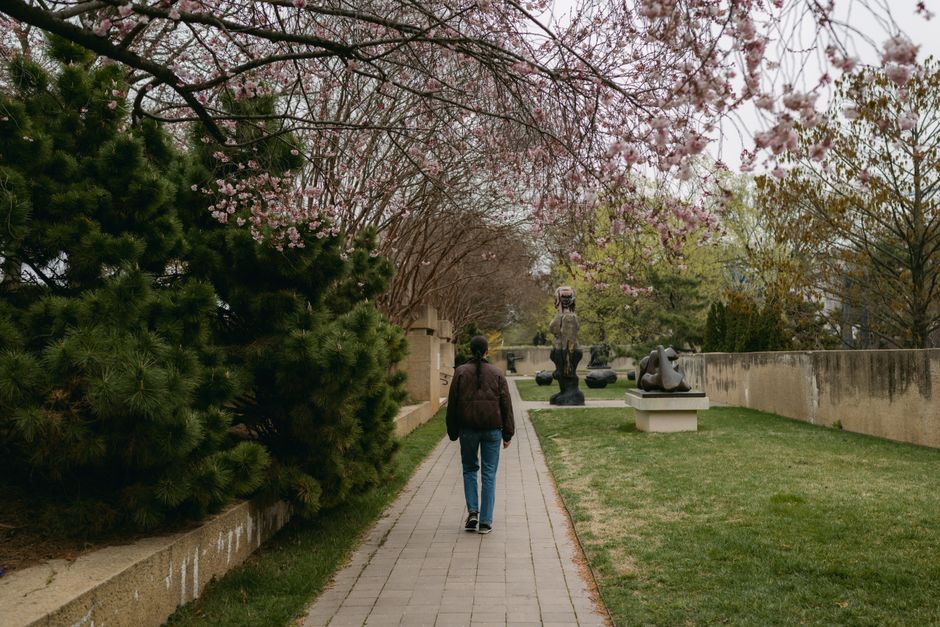
The habit is walking. Not a workout, not a training plan, not a step goal that requires an app and a guilt complex. Just a short, easy stroll in the window after a meal. The research on this keeps getting more interesting, and the punchline is friendly: you don't need much, and you don't need to suffer.
The best exercise habit isn't the one that burns the most calories. It's the one you'll actually repeat, thousands of times, without thinking about it.
What actually happens when you walk after eating
When you eat, especially a meal with carbohydrates, your blood sugar rises. That's normal and expected. The question is how it rises — a sharp, dramatic spike followed by a crash, or a gentler, more gradual curve. Those steep spikes and drops are the part researchers worry about, because over years they're linked to higher cardiovascular risk and are believed to play a role in the development of type 2 diabetes.
Here's the mechanism in plain terms. When you walk, your leg muscles start pulling glucose out of your bloodstream to fuel the movement — and they can do this without needing a big surge of insulin to unlock the door. So instead of the sugar from your meal piling up in your blood and waiting for insulin to sort it out, some of it gets burned off in real time. The result, as one set of studies described it, is that blood sugar changes become not only less extreme, but also more gradual.
That's the whole trick. You're not doing anything heroic. You're just giving your muscles a small job at the exact moment your body has fuel to spend, and they quietly help balance the books.
How little is enough (less than you'd guess)
This is where the recent evidence gets genuinely encouraging. You might assume you need a solid 30 or 45 minutes to move the needle. You don't.
A 2025 study found that a 10-minute walk immediately after a meal improved blood sugar control just as well as a 30-minute walk done later. The timing mattered more than the total duration — the short walk taken right away was uniquely effective at flattening the peak glucose spike. Even a five-minute walk after eating produced a measurable, moderating effect. And separate research showed that simply interrupting long stretches of sitting with two- to five-minute bouts of light walking significantly reduced post-meal glucose and insulin spikes in adults with obesity.
The pace is forgiving, too. In these studies, people weren't power-walking or breaking a sweat. Participants chose their own comfortable speed, averaging a gentle 3.8 km/h (about 2.4 mph) — roughly the pace you'd move while window-shopping or walking a dog that keeps stopping to sniff things. The benefit showed up during a 60-to-90-minute window after the meal, with the sweet spot being to start soon rather than wait.
Put simply: a slow ten-minute loop around the block, started while your plate is still warm, is doing real work.
The benefits that stack up beyond blood sugar
It would be enough if steadier blood sugar were the only payoff, but a post-meal walk quietly pays a few other dividends.
The first is digestion and comfort. A gentle walk helps move food through your system and, for many people, takes the edge off that heavy, bloated feeling that makes the afternoon feel like wading through syrup. You're not forcing anything — light movement simply nudges your digestive system along.
The second is the compounding effect on your overall activity. Here's the underrated part: three ten-minute walks a day — after breakfast, lunch, and dinner — add up to 30 minutes of daily movement without a single dedicated "workout." You've hit a widely recommended activity target by accident, folded invisibly into meals you were going to eat anyway. Nothing got scheduled, nothing got skipped because you were too tired at 6 a.m.
Thirty minutes of movement you never had to find time for beats sixty minutes you keep meaning to.
And the third, harder to measure but real, is the mental reset. Stepping outside — or even just moving through your home or office — after eating breaks the automatic slump, gives your eyes something other than a screen, and often clears the mental fog that follows a big meal. People frequently report they come back to their desk sharper than if they'd stayed slumped in the chair.
Making it stick: attach it to something you already do
The reason this habit works isn't just the biology — it's that it's almost impossible to forget. The best habits are anchored to something you already do every single day, and few things are as reliable as eating.
Try this framing: the walk isn't a separate task on your to-do list. It's simply the last step of the meal, like clearing the table. You finish eating, you stand up, you walk. No decision, no negotiation with yourself. Over time the two actions fuse, and skipping the walk starts to feel as odd as leaving the table without pushing in your chair.
A few practical ways to lower the barrier:
- Keep it embarrassingly short at first. Commit to five minutes, not thirty. A tiny habit you actually do beats an ambitious one you abandon by Thursday.
- Make it obvious. Leave your shoes by the door. Eat lunch somewhere that makes a short loop afterward natural.
- Lower the standard on bad days. Raining? Walk indoors — hallways, a few laps around the kitchen, up and down the stairs. The point is consistency, not scenery.
- Pair it with something you enjoy. A phone call with a friend, a favorite podcast, a music playlist you only allow yourself on the walk. Let the walk carry a small reward.
You don't need to do it after every meal to benefit. Even after your largest or most carb-heavy meal of the day is a meaningful start.
A gentle dose of realism
Two honest caveats. First, a post-meal walk is a supportive habit, not a cure or a substitute for medical care. If you're managing diabetes, heart disease, or any condition where blood sugar and exercise interact — or if you're on medication that affects blood sugar — talk to your doctor about how movement fits your situation. What's a small tweak for one person can matter more for another, and personalized advice beats a general article every time.
Second, don't let perfect be the enemy of good. You will forget some days. You'll eat and sit down and only remember an hour later. That's completely fine. This isn't a streak to protect at all costs; it's a default to drift back toward. The habit works because of what you do most weeks, not what you do every single time.
The takeaway
Of all the health advice competing for your attention, the post-meal walk might be the rare one that asks almost nothing and gives back steadily. A slow ten-minute stroll, started soon after eating, helps blunt blood sugar spikes about as well as much longer sessions, eases digestion, quietly accumulates into your daily movement, and clears your head — all without a gym, a plan, or a fee.
So the next time your body votes for the couch, consider casting a different ballot. Stand up, step outside, and give yourself ten unhurried minutes. It's one of the smallest promises you can make to your future self — and one of the easiest to keep.


Comments 0