
You are standing in the supplement aisle holding a tub of protein powder, and the label promises the world. A friend swears by a gym-bro number like "a gram per pound." A wellness podcast insists most people are dangerously deficient. Your doctor once mentioned the government figure and it sounded suspiciously low. So which is it? The honest answer is more freeing than any label: for most people, the right amount of protein is a modest, boring, very achievable number — and the reason it feels confusing is that everyone is quietly answering a slightly different question.
Let's untangle it. Protein is the one macronutrient your body cannot improvise its way around. Fat and carbohydrates are largely fuel, and your body can store or swap them. Protein is structure and machinery — muscle, enzymes, immune cells, the collagen in your skin — and there is no meaningful storage tank for it. That is why "how much" actually matters, and also why the answer depends heavily on who is asking.
Protein isn't a supplement you bolt onto a healthy diet. It's the raw material your body rebuilds itself with every single day.
The Baseline Number, and Why It's Lower Than You Think
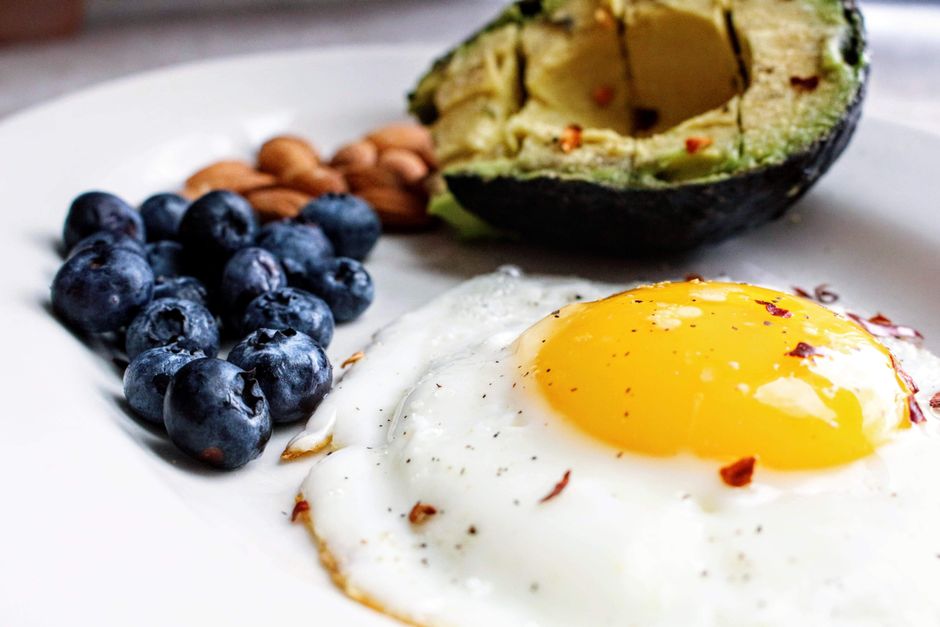
The official floor is 0.8 grams of protein per kilogram of body weight per day. For a 70-kilogram (about 154-pound) adult, that's roughly 56 grams — think two eggs at breakfast, a palm of chicken at lunch, a cup of lentils at dinner, and you're already there. This is the Recommended Dietary Allowance, and it's genuinely easy to hit without trying.
Here's the catch that fuels half the internet arguments: the RDA was designed to answer the question "what's the minimum to prevent deficiency in an average sedentary person?" — not "what's optimal for building muscle or aging well?" Those are different questions with different answers. The 0.8 figure isn't wrong; it's just aimed at a target most active people aren't standing on.
So if you're mostly sedentary, in good health, and not trying to change your body composition, the baseline is a reasonable place to land. You are almost certainly not "deficient," despite what the marketing implies. But if you lift weights, run, are over sixty, or are trying to lose fat while keeping muscle, read on — your number is higher, and for good reasons.
If You Exercise, Aim Higher — but Not As High As the Gym Says
For active adults, the mainstream sports-nutrition range is 1.2 to 1.7 grams per kilogram per day, and recently revised dietary guidance nudged the everyday recommendation up toward 1.2 to 1.6 grams per kilogram. For our 70-kilogram example, that's roughly 84 to 112 grams a day — a real step up from baseline, but nowhere near the extreme numbers you'll see shouted on fitness feeds.
The evidence for the sweet spot is surprisingly specific. People doing regular resistance training tend to see most of their muscle-building benefit around 1.6 grams per kilogram, and studies that pushed intake well past two grams per kilogram generally found the extra protein didn't add much — you hit a ceiling where more grams stop translating into more muscle. That's the quiet truth the "gram per pound" crowd glosses over: past a point, you're just buying expensive urine.
A concrete way to picture it: if you're a 68-kilogram (150-pound) person who works out a few times a week, landing somewhere between 80 and 110 grams a day covers you comfortably. That's a couple of eggs, a chicken breast, a scoop of yogurt, and a handful of beans or a shake — not a heroic effort, just a bit more deliberate than accidental.
Timing and Distribution: The Detail That Actually Helps
Most people obsess over the daily total and ignore the thing that quietly moves the needle: spreading protein across the day. Your body builds muscle in response to meals, and there's an upper limit to how much it can use for that purpose in one sitting. Eating 15 grams at breakfast, 20 at lunch, and then 70 at dinner is less effective than distributing it more evenly.
A practical target is roughly 20 to 40 grams per meal, three to four times a day. The exact grams matter less than the pattern: don't back-load everything onto dinner. If your mornings are protein-deserts of toast and coffee, that's usually the single easiest place to improve — a couple of eggs or a cup of Greek yogurt closes most of the gap before you've even thought about supplements.
You don't need a protein strategy. You need protein at breakfast.
For the post-workout window specifically, the old "you have 30 minutes or the gains vanish" panic has softened considerably. Getting adequate protein across the whole day matters far more than sprinting to a shaker the instant you rack the weights. If a shake after training helps you hit your total conveniently, great — but it's a convenience, not a magic window.
Older Adults, Whole Foods, and the Supplement Question
Two groups deserve a special note. If you're over sixty, the case for the higher end of the range gets stronger, because aging muscle responds less efficiently to protein — a phenomenon researchers call anabolic resistance. Combined with the natural muscle loss of aging, that makes protein one of the more important levers for staying strong, steady on your feet, and independent. This is exactly the kind of health decision worth running past your doctor or a dietitian, especially if you have kidney concerns, since individual medical situations change the math.
The second note is about where your protein comes from. Whole foods — eggs, dairy, fish, poultry, beans, lentils, tofu, nuts — deliver protein alongside fiber, micronutrients, and satiety that a powder can't replicate. Powder is a genuinely useful tool for people who struggle to hit their number through meals alone, or who want a quick option around training. But it's a supplement, in the literal sense: something that fills a gap, not the foundation. If you can comfortably hit your target with food, you don't need the tub in the aisle at all.
If you eat mostly or entirely plant-based, the same targets apply — you just have to be a touch more intentional. Plant proteins tend to be a little lower in the amino acid leucine, the key trigger for muscle building, so a slightly higher total and a bit of variety help. Combining sources across the day — beans with grains, tofu with nuts, lentils with seeds — covers the full amino acid spectrum without any single "perfect" food. It's less complicated than it sounds: eat a range of plants, aim for the same daily number, and your body assembles what it needs.
The Takeaway
Strip away the noise and it's simple. If you're sedentary and healthy, around 0.8 grams per kilogram is plenty. If you're active or older, aim for 1.2 to 1.6 grams per kilogram — for most people that's somewhere between 80 and 120 grams a day. Spread it across your meals, prioritize breakfast, lean on whole foods, and treat powder as a helper rather


Comments 0