
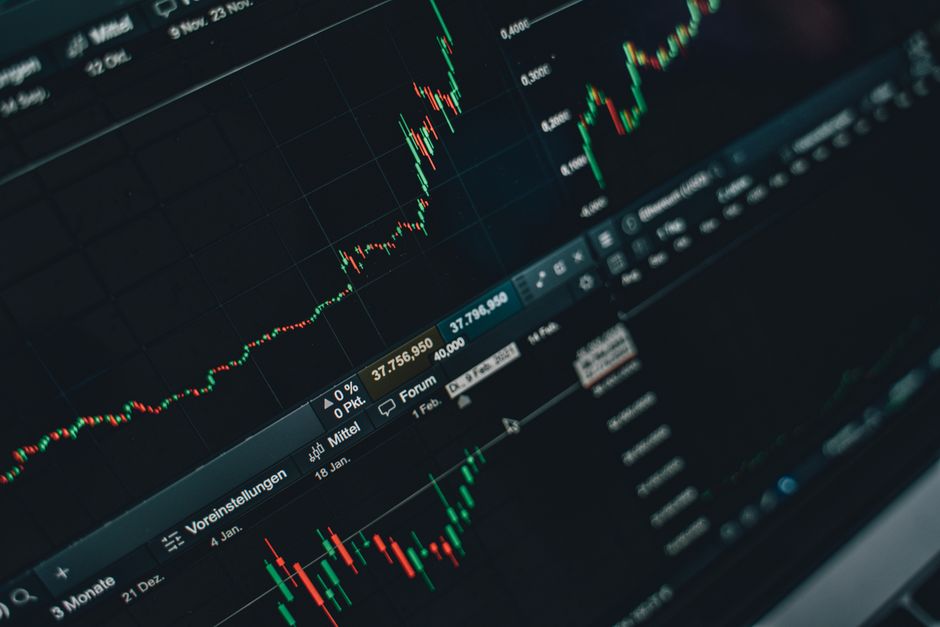
Imagine two coworkers, both 30, both earning the same salary. One spends a weekend reading forums, picking hot stocks, and checking prices during lunch. The other sets up a single automatic transfer into one boring fund and then, mostly, forgets about it. Thirty years later, there's a very good chance the second person ends up with more money — and a lot fewer gray hairs. That's not a trick. It's the quiet, almost anticlimactic power of index investing, and it's worth understanding before you put a single dollar to work.
What an index fund actually is
An index is just a list that tracks a slice of the market. The S&P 500, for example, is a list of about 500 of the largest publicly traded U.S. companies. An index fund is a fund that buys all the companies on that list, in roughly the same proportions, and simply tries to match the list's performance. It isn't trying to beat the market. It is the market, packaged into one purchase.
Compare that to an actively managed fund, where a professional (and a team of analysts) pick which stocks to buy and sell, hoping to outperform. That effort costs money, and you pay for it whether or not it works. The index fund skips the guessing entirely: if the 500 companies collectively rise 8% this year, your fund rises about 8%, minus a sliver for costs.
You don't need to know which companies will win. You just need to own enough of them that the winners carry the whole basket.
The appeal is diversification in a single click. Instead of betting your future on three or four companies you happen to like, you own a tiny piece of hundreds. If one goes bankrupt, it's a rounding error. If one becomes the next trillion-dollar giant, you're already along for the ride.
Why "boring" tends to win
Here's the uncomfortable fact for stock-pickers: over long stretches, most professional fund managers fail to beat a simple index after fees. Year after year, the majority of active U.S. stock funds underperform their benchmark, and the ones that win in a given year rarely repeat. If highly paid experts struggle to beat the index consistently, the odds of an individual doing it with weekend research are not encouraging.
The reason is partly math and partly human nature. Markets absorb new information fast, so "obvious" bets are usually already priced in. And active trading invites mistakes — selling in a panic, chasing whatever went up last month, paying taxes and commissions along the way. Index funds sidestep most of that by doing almost nothing.
Consider the long-run numbers. Historically, the S&P 500 has returned roughly 10% per year on average with dividends reinvested — closer to 7–8% after inflation. Those are averages across decades, not a promise for any single year (some years are sharply negative). But the direction of travel, given enough patience, has been persistently upward.
The fee difference is bigger than it looks
Fees feel trivial in the moment — what's half a percent? Over decades, though, a small fee quietly eats a large share of your gains, because every dollar skimmed off is a dollar that never compounds.
Index funds are famous for being cheap. Many leading S&P 500 index funds charge an expense ratio under 0.05%, and some are as low as 0.015–0.03%. A typical actively managed fund might charge 0.5% to 1% or more. Let's make that concrete with a simplified example assuming the same 7% pre-fee return:
| Low-cost index (0.04%) | Active fund (0.75%) | |
|---|---|---|
| Starting amount | $10,000 | $10,000 |
| Assumed return before fees | 7% | 7% |
| Net return after fee | ~6.96% | ~6.25% |
| Value after 30 years | ~$75,400 | ~$61,600 |
Same market, same time horizon — and the higher fee quietly costs you around $14,000 on a single $10,000 investment. Scale that across a lifetime of contributions and the gap becomes life-altering. This is why cost is one of the very few things about investing you can actually control.
The real enemy is your own behavior
If index funds are so simple, why doesn't everyone get the full return? The gap usually isn't the fund — it's the investor. Study after study finds that the average investor earns noticeably less than the very funds they own, because they buy after prices have already climbed and sell after they've fallen. Emotion, not the market, does the damage.
Picture March of a bad year: headlines scream, your balance is down 25%, and every instinct says "get out before it gets worse." The people who sell there lock in the loss and then, almost always, miss the rebound that follows — because recoveries tend to arrive suddenly and without a friendly announcement. Miss a handful of the market's best days over a decade and your long-run return can shrink dramatically.
The antidote is boring on purpose. Automate contributions so you never have to decide in a panic. Keep money you'll need soon out of stocks so you're never a forced seller. And measure your progress in years, not in the red-and-green numbers that flash every afternoon. Index funds hand you the market's return; staying seated is how you actually keep it.
How to start without overthinking it
You don't need a finance degree or a large sum. The mechanics are genuinely simple, and the hardest part is emotional, not technical.
First, open an investment account — often a tax-advantaged retirement account is a sensible starting point, depending on where you live and what your employer offers. Second, choose a broad, low-cost index fund (a total-market or S&P 500 fund is a common default). Third, set up an automatic recurring contribution so investing happens without you deciding each month. Automating removes the biggest risk of all: your own hesitation.
A simple starter recipe:
1. Pick ONE broad, low-cost index fund.
2. Automate a fixed monthly amount you won't miss.
3. Reinvest dividends automatically.
4. Ignore the daily news. Check in maybe once a quarter.
That fourth step matters more than it sounds. Investing the same amount on a schedule — sometimes called dollar-cost averaging — means you buy more shares when prices are low and fewer when they're high, without trying to time anything. It turns market dips from something scary into something quietly useful.
What index funds are not
Being honest about the limits keeps you from panicking later. Index funds are not immune to losses. When the market falls 20%, your fund falls with it — that's the deal. The strategy works because you stay invested through the downturns and let the long recovery do its job. Selling in a crash is how people convert a temporary dip into a permanent loss.
They're also not a substitute for the basics: an emergency fund, manageable debt, and a time horizon measured in years, not months. Money you might need next spring shouldn't be in the stock market at all. Index investing rewards patience specifically because it can't promise short-term calm.
Finally, index funds don't do the thinking about your life for you. How much to save, how much risk you can stomach, when you'll need the money — those are personal. The fund is just an efficient, low-cost vehicle. You still steer.
The takeaway
Index investing isn't clever, and that's exactly the point. By owning a broad slice of the market at rock-bottom cost and holding on through the ups and downs, you quietly stack the odds in your favor — capturing the market's long-run growth, minimizing the fees that erode it, and freeing yourself from a game most experts can't win anyway.
The coworker who "forgot" about their fund wasn't lucky. They just let time and compounding do the heavy lifting. Start small, automate it, and let boring work for you.
This article is general information, not personalized financial advice. Returns and figures are illustrative and as of writing; markets carry risk, and it's wise to consider your own situation or speak with a qualified professional before investing.


Comments 0